

If there's one thing that keeps coming up in chronic disease research, it's the relationship between inflammation and mitochondrial dysfunction. And it's not a simple one-way street. Damaged mitochondria churn out signals that wind up the immune system. Then the immune system, now fully activated, goes and damages more mitochondria. Round and round it goes.
This self-reinforcing loop sits at the heart of conditions ranging from cardiovascular disease and neurodegeneration to metabolic syndrome, chronic fatigue, and premature ageing. Getting your head around how it works is genuinely useful if you're serious about protecting your health at the cellular level.
How Healthy Mitochondria Keep Inflammation in Check
You've probably heard mitochondria called the "powerhouses of the cell" — and that's true enough, but it sells them short. They're also deeply involved in running your immune response, acting as a platform for innate immune signalling and controlling whether inflammatory pathways get switched on or kept quiet.
A 2022 review in Nature Reviews Immunology describes mitochondria as central hubs for immune cell activation, differentiation, and function. They keep the balance between pro-inflammatory and anti-inflammatory signalling through several mechanisms — controlling reactive oxygen species (ROS), calcium signalling, and the availability of key metabolites.
When everything's working properly, mitochondria produce ATP efficiently through oxidative phosphorylation, keep ROS at manageable levels where it actually serves as a useful signalling molecule, and maintain the metabolic flexibility immune cells need to respond to genuine threats and then stand down afterwards.
In this healthy state, inflammation is proportionate, targeted, and self-limiting. The trouble starts when mitochondrial function goes sideways.
How Mitochondrial Dysfunction Triggers Inflammation
When mitochondria become damaged or start running inefficiently, several things go wrong at once — and every single one of them promotes inflammation.
Excess Reactive Oxygen Species (ROS)
Struggling mitochondria can't manage electron flow through the electron transport chain the way they should. Electrons leak out prematurely, react with oxygen, and produce excessive ROS — mainly superoxide radicals. A small amount of ROS is perfectly normal and even helpful for signalling. But too much? That's when it starts directly damaging proteins, lipids, and DNA — including the mitochondria's own DNA (mtDNA).
Here's the real kicker: excess ROS switches on redox-sensitive transcription factors, particularly nuclear factor-kappa B (NF-kappaB). NF-kappaB is essentially the master switch for inflammatory gene expression. Once it's active, it drives the production of pro-inflammatory cytokines like IL-1beta, IL-6, and TNF-alpha. A review in Oxidative Medicine and Cellular Longevity (PMC) identifies this ROS-NF-kappaB axis as a fundamental mechanism linking mitochondrial dysfunction to non-communicable disease.
Release of Mitochondrial DAMPs
When mitochondria get damaged, they spill their internal components into the cytoplasm — and sometimes into the extracellular space too. These components include mitochondrial DNA, cardiolipin, and formyl peptides, and the immune system recognises them as damage-associated molecular patterns (DAMPs).
There's a fascinating evolutionary reason for this. Mitochondria originally descended from ancient bacteria, so their internal molecules still look a lot like bacterial components. When these leak out, your immune system essentially treats them as foreign invaders and mounts an inflammatory response — even though there's no actual infection present. A study published in Mitochondrion (PubMed) shows how this mechanism can sustain chronic sterile inflammation — inflammation without a pathogen driving it.
NLRP3 Inflammasome Activation
This is arguably the most consequential inflammatory pathway that mitochondrial dysfunction sets off. The NLRP3 inflammasome is a multi-protein complex inside immune cells that, once triggered, causes the maturation and release of the potent inflammatory cytokines IL-1beta and IL-18.
Both mitochondrial ROS and leaked mtDNA are strong activators of NLRP3. A study in the Journal of Immunology (PMC) showed that mitochondrial ROS can directly induce NLRP3-dependent inflammasome activation — a straight line from your energy-producing organelles to a full-blown inflammatory cascade.
And once the NLRP3 inflammasome fires, the IL-1beta it produces recruits more immune cells and amplifies the inflammatory signal, spreading the damage well beyond the cells that were originally affected.
How Inflammation Damages Mitochondria
So we've seen how broken mitochondria trigger inflammation. But the cycle doesn't stop there. The inflammatory mediators the immune system produces circle straight back and impair mitochondrial function — and that's what makes this a genuine vicious cycle.
Cytokine-Induced Mitochondrial Damage
Pro-inflammatory cytokines — TNF-alpha and IL-1beta in particular — go after mitochondria through several routes. They ramp up mitochondrial ROS production, inhibit complexes in the electron transport chain (especially Complex I and Complex III), and reduce mitochondrial membrane potential. The end result is even less ATP being produced and more electrons leaking, which generates yet more ROS.
A 2017 review in Neuroscience Letters (PubMed) described this frankly as a "vicious circle" in which inflammation and mitochondrial dysfunction keep feeding each other, especially in the context of neurodegenerative disease.
Impaired Mitophagy
Mitophagy is your cells' way of identifying and removing damaged mitochondria — think of it as quality control for the mitochondrial population. Chronic inflammation disrupts the signalling that governs this process, meaning damaged mitochondria pile up instead of being cleared out.
That's a real problem, because those accumulated damaged mitochondria keep producing ROS and leaking DAMPs, sustaining the inflammatory signal indefinitely. The failure of mitophagy is increasingly seen as a key reason why this cycle becomes self-perpetuating rather than self-resolving.
Metabolic Reprogramming
Inflammatory signalling pushes cells away from efficient oxidative phosphorylation (which needs healthy mitochondria) and towards glycolysis — a far less efficient process that produces much less ATP per glucose molecule. A 2025 review in Current Issues in Molecular Biology calls this metabolic reprogramming a hallmark of chronic inflammatory diseases, noting that it further degrades mitochondrial function and creates an energy deficit at the cellular level.
This shift goes a long way towards explaining the crushing fatigue people with chronic inflammatory conditions often describe. Their cells are literally producing less energy, and the mitochondria that should be correcting the shortfall are themselves compromised.
Where This Cycle Shows Up Clinically
None of this is purely academic. The inflammation-mitochondrial dysfunction cycle shows up in real, recognisable conditions and symptom patterns that clinicians see every day.
Chronic Fatigue
Persistent, unexplained fatigue is probably the most direct manifestation of this cycle. When mitochondria can't produce enough ATP while inflammatory cytokines are simultaneously demanding energy for immune activation, you end up with a profound energy deficit. It's no coincidence that many people with chronic fatigue show evidence of both mitochondrial dysfunction and raised inflammatory markers. For more on how this presents, see our articles on early symptoms of mitochondrial dysfunction and fatigue despite normal blood tests.
Neurodegeneration
The brain is especially vulnerable here because neurons have enormous energy demands and very limited capacity for glycolysis. A 2024 review in Antioxidants (PMC) noted that the interplay between mitochondrial dysfunction and neuroinflammation is a key driver of Alzheimer's, Parkinson's, and other neurodegenerative conditions. Researchers still debate which comes first — but the consensus is clear that once both are established, they push each other along.
Cardiovascular Disease
Mitochondrial dysfunction in the cells lining blood vessels and in heart muscle promotes oxidative stress, which kicks off local inflammation and feeds into atherosclerosis, hypertension, and heart failure. The inflammatory mediators produced in return then further damage cardiac and vascular mitochondria, tightening the cycle.
Metabolic Syndrome and Type 2 Diabetes
Insulin resistance, central obesity, and blood sugar dysregulation all involve elements of both mitochondrial dysfunction and chronic low-grade inflammation. Visceral fat in particular pumps out inflammatory cytokines that impair mitochondrial function in muscle and liver cells, reducing their capacity for fat oxidation and glucose metabolism. We look at the markers of this chronic inflammatory state in our companion article on chronic low-grade inflammation markers.
Mood and Cognitive Disorders
Depression, anxiety, and cognitive decline have all been linked to both mitochondrial dysfunction and neuroinflammation. A review in Brain, Behavior, and Immunity — Health made the point that inflammation and mitochondrial dysfunction in affective disorders are better understood as interconnected processes than as separate problems — which opens up some genuinely interesting treatment possibilities.
Breaking the Cycle: Evidence-Based Strategies
Because this cycle feeds itself, any effective approach needs to tackle both sides at once. Going after inflammation alone or only supporting mitochondria isn't likely to cut it.
Magnesium: The Foundation
Magnesium is one of the few nutrients that sits right at the intersection of both halves of this cycle. On the mitochondrial side, it's essential for ATP production — ATP actually exists in the body as a magnesium-ATP complex, and research in Oxidative Medicine and Cellular Longevity (PMC) confirms that magnesium activates key mitochondrial enzymes including pyruvate dehydrogenase, isocitrate dehydrogenase, and the F0/F1-ATP synthase complex.
On the inflammation side, a meta-analysis of randomised controlled trials (PMC) found that magnesium supplementation significantly lowered CRP, TNF-alpha, and fibrinogen. It also directly inhibits NF-kappaB activation — remember, that's one of the central signalling pathways driving this whole cycle.
Different forms of magnesium serve different aspects of this support:
- Magnesium malate — Malate (malic acid) feeds directly into the Krebs cycle, making this form a natural fit for supporting mitochondrial energy production. If fatigue and low cellular energy are your main concerns, this is the logical starting point.
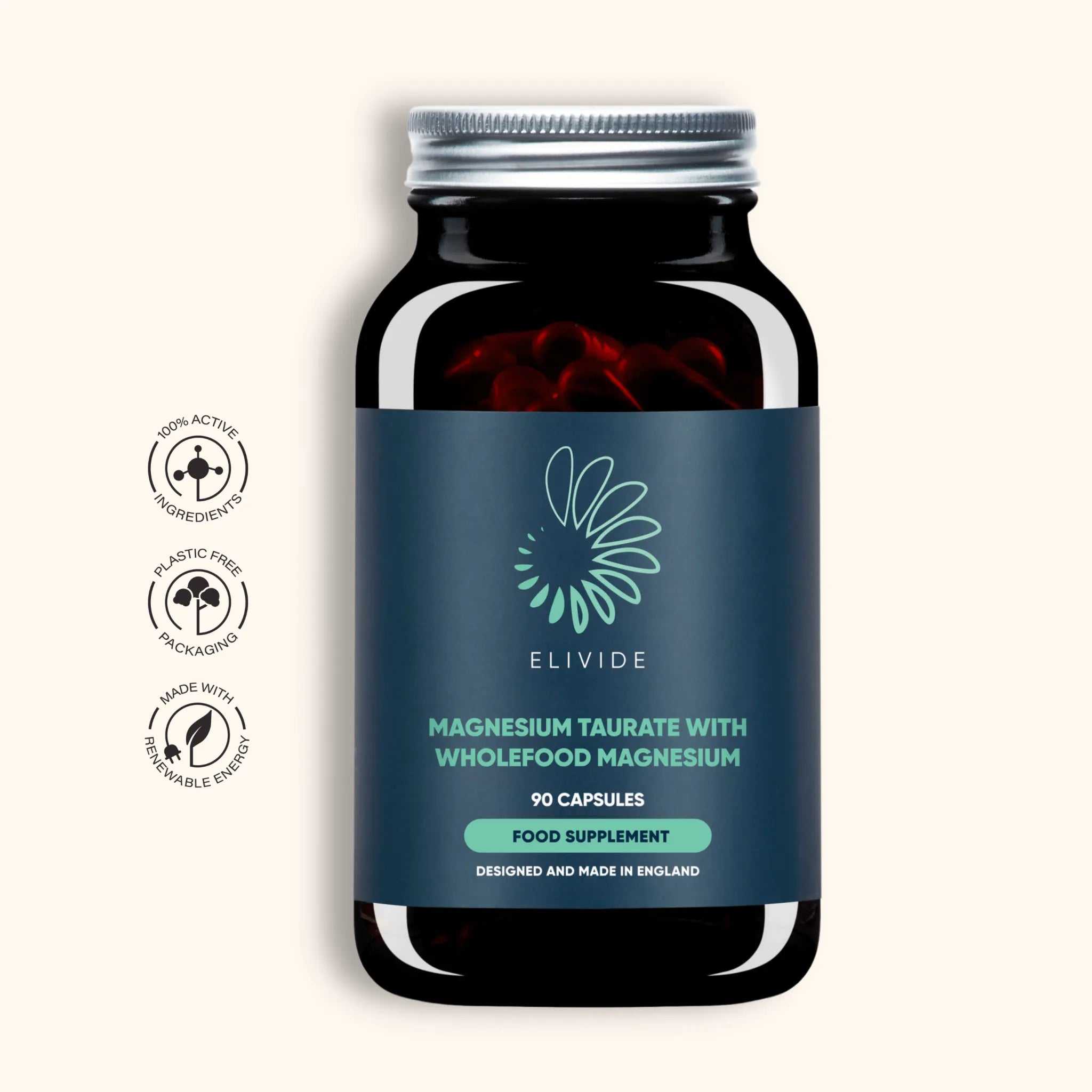
- Magnesium taurate — Taurine brings its own antioxidant and anti-inflammatory properties, and it supports cardiovascular mitochondrial function. A good choice when this cycle is showing up primarily as cardiovascular symptoms.
- Magnesium bisglycinate — Highly absorbable and gentle on the stomach, with particular benefits for sleep and nervous system regulation. Better sleep quality directly reduces inflammatory cytokine production, so this form helps break the cycle from the recovery side.
For help choosing, see our types of magnesium guide or take our quiz.
Support Mitochondrial Health and Inflammatory Balance
Targeted magnesium and antioxidant support to help break the inflammation-mitochondria cycle.


Not sure? Take our quiz →
CoQ10 and PQQ
Coenzyme Q10 is a critical part of the mitochondrial electron transport chain — it shuttles electrons between Complex I, Complex II, and Complex III, and doubles as a potent antioxidant within the mitochondrial membrane. Supplementing CoQ10 supports both energy production and the quenching of excess mitochondrial ROS.
Pyrroloquinoline quinone (PQQ) works differently — it promotes mitochondrial biogenesis, meaning the creation of entirely new mitochondria, and has been shown to reduce inflammatory markers including IL-6 and CRP. Together, CoQ10 and PQQ address complementary but distinct aspects of mitochondrial support. We compare them in detail in our article on PQQ versus CoQ10.
Antioxidant Support
Since excessive ROS is the primary signal connecting mitochondrial dysfunction to inflammatory activation, shoring up your antioxidant defences makes obvious sense. Wholefood vitamin C is a potent water-soluble antioxidant that scavenges ROS and helps regenerate other antioxidants including vitamin E. The naturally occurring bioflavonoids in wholefood forms add anti-inflammatory activity beyond what ascorbic acid alone can offer — a distinction we explore in our article on wholefood vitamin C versus ascorbic acid.
B Vitamins
Several B vitamins play direct roles in mitochondrial energy metabolism. Vitamin B1 (thiamine) is a cofactor for pyruvate dehydrogenase and alpha-ketoglutarate dehydrogenase — two enzymes the Krebs cycle can't run without. Vitamins B2 (riboflavin) and B3 (niacin) are precursors for FAD and NAD+, the electron carriers that feed the electron transport chain. Run low on any of these and mitochondrial function suffers, which can amplify the inflammatory response.
Anti-Inflammatory Dietary Patterns
A diet rich in polyphenols, omega-3 fatty acids, and diverse plant fibre supports both mitochondrial function and the resolution of inflammation. Polyphenols from berries, dark chocolate, olive oil, and green tea have been shown to activate the Nrf2 pathway — a master regulator of antioxidant gene expression — while simultaneously inhibiting NF-kappaB. That dual action is what makes dietary polyphenols so relevant here.
Exercise: A Controlled Stressor
Regular physical activity is one of the strongest stimuli we have for mitochondrial biogenesis. It switches on PGC-1alpha, the master regulator of mitochondrial production, and over time reduces systemic inflammatory markers. But dosing matters — moderate, consistent exercise supports cycle-breaking, while overdoing it without adequate recovery can temporarily worsen both oxidative stress and inflammation.
Sleep and Circadian Rhythm
Mitochondria follow circadian rhythms, with their function optimised around the sleep-wake cycle. Poor sleep directly impairs mitophagy, raises inflammatory cytokines, and short-circuits the restorative processes that repair mitochondrial DNA overnight. Consistent sleep timing and decent sleep quality aren't optional extras here — they're foundational.
Testing and Monitoring
If you want to track progress, you'll need markers from both sides of the cycle:
- Inflammation — hsCRP, NLR, and (where available) IL-6 can be monitored over time. We cover these in detail in our article on chronic low-grade inflammation markers.
- Mitochondrial function — Organic acids testing (available through private labs) can reveal markers of impaired Krebs cycle function and electron transport chain activity. Lactate-to-pyruvate ratios may also point to mitochondrial dysfunction.
- Oxidative stress — Markers like 8-OHdG (an oxidised DNA marker) and F2-isoprostanes give useful insight into the degree of oxidative damage.
Don't expect overnight results. Give it 8 to 12 weeks of consistent effort before retesting — mitochondrial biogenesis and inflammatory marker reduction both operate on longer timescales than most people realise.
The Bigger Picture
The relationship between inflammation and mitochondrial dysfunction is genuinely one of the more important findings in modern health science. It helps explain why so many chronic conditions share overlapping symptoms and risk factors, and why single-target pharmaceutical approaches so often come up short.
What's encouraging is that this cycle does respond to intervention — and the strategies aren't exotic. Targeted nutrition (magnesium and antioxidants in particular), regular movement, quality sleep, and stress management. They sound straightforward, perhaps even unremarkable. But their effects on both mitochondrial function and inflammatory status are well documented in the literature.
For related reading, explore our articles on how to increase ATP naturally, the best supplements for mitochondrial health, and cellular energy supplements.


