


You would think that living in one of the wealthiest countries in the world would mean we're getting all the nutrients we need. But the data tells a different story. A surprising number of UK adults aren't getting enough essential trace minerals from their food, and the national survey figures are genuinely alarming once you look at them closely. Selenium, zinc, iodine, magnesium, copper: deficiencies in all of these are far more widespread than most people realise.
This isn't about food scarcity or going hungry. It's about how our food is grown, how it's processed, and how we eat in 2026. Getting to grips with why trace mineral deficiencies have become so common is the first step towards doing something about it.
What Are Trace Minerals and Why Do They Matter?
Trace minerals, sometimes called microminerals, are essential elements your body needs in small amounts, typically under 100mg per day. Don't let the tiny quantities fool you. These minerals are involved in some of the most critical processes in your body: enzyme function, immune defence, thyroid metabolism, antioxidant protection, and DNA repair.
The essential trace minerals include zinc, selenium, iodine, copper, iron, manganese, chromium, and molybdenum. Unlike the macrominerals, calcium, magnesium, sodium, and potassium, which your body uses in larger amounts, trace minerals act more like precision instruments. Small in quantity, but absolutely indispensable.
A review published in Nutrients made the point that even marginal trace mineral deficiencies can impair immune function, cognitive performance, and metabolic health well before any obvious clinical symptoms show up. This idea of subclinical deficiency, where your blood work looks passable but your body isn't running right, is really central to understanding the modern mineral problem.
The UK Picture: What the Data Shows
The National Diet and Nutrition Survey (NDNS) 2019-2023, published by the UK government, is the most thorough snapshot we have of what the population is actually eating and absorbing. The findings aren't reassuring.
Selenium
Selenium is probably the most worrying trace mineral gap in the UK right now. A secondary analysis of NDNS data found that 50.3% of women and 25.8% of men aged 20 to 59 had selenium intakes below the Lower Reference Nutrient Intake (LRNI), which is the level below which deficiency becomes likely. Half of all women. That's staggering.
Your body needs selenium for thyroid hormone conversion (the enzyme that turns T4 into active T3 depends on it), for antioxidant defence through glutathione peroxidase, and for proper immune function. UK selenium intake has been sliding downhill since the 1970s, partly because British bread used to contain imported North American wheat, which grows in selenium-rich soil. When sourcing shifted, that incidental top-up quietly disappeared.
Zinc
Zinc intakes among UK adults regularly fall short of recommendations, and younger adults get hit hardest. The NDNS data flags the 20 to 29 age group as particularly vulnerable, with both men and women at risk of not getting enough.
Zinc is a workhorse mineral. It's critical for immune function, wound healing, and over 300 enzymatic reactions. When zinc status drops, your immune response weakens, healing slows, taste and appetite can go off, and the delicate balance with copper starts to wobble. That zinc-copper relationship is one we explore properly in our article on why copper and zinc balance matters.
Iodine
Roughly one in ten UK women have iodine intakes below the LRNI. Iodine is the raw material for thyroid hormones, and deficiency during pregnancy can impair the baby's brain development. Unlike many other countries, the UK doesn't iodise its salt, so dairy and seafood are the main dietary sources. Anyone who avoids dairy or eats a plant-based diet is at considerably higher risk.
Copper
Copper intake data shows that a meaningful proportion of both men and women fall below recommended levels. And here's the thing that makes it worse: the widespread popularity of zinc supplements, which compete with copper for absorption, can actively drain copper stores over time. We cover this mechanism in detail in our guide to copper and zinc balance.
Iron
Iron deficiency is still the most commonly diagnosed mineral deficiency worldwide, and UK women of reproductive age bear the brunt of it. But iron status is more complicated than it first appears, because it's tangled up with copper. Without enough copper, the body can't properly move iron from storage into the bloodstream. So some cases of what looks like iron deficiency are actually copper deficiency wearing a disguise.
Why Are Trace Minerals Disappearing from the Diet?
Soil Depletion
The mineral content of farmland has been declining steadily over the past century, thanks to intensive agriculture. A study in the Journal of the American College of Nutrition documented clear drops in the mineral content of fruits and vegetables between 1950 and 1999. Modern crops are bred to grow fast, look good, and resist pests, not to be nutritionally dense. Faster-growing varieties simply don't pull as many minerals out of the ground.
This hits selenium especially hard in the UK, where soil selenium levels are naturally low compared to the US and Canada. As a review in Springer Science Reviews pointed out, soil concentrations of zinc, selenium, and iodine feed directly into human intake, creating a clear soil-to-plate-to-person pathway of deficiency.
Food Processing and Refining
Every step of processing strips minerals from food. Refining wheat into white flour removes around 75% of the zinc, 85% of the magnesium, and much of the selenium, copper, and manganese that were in the whole grain.
Ultra-processed foods now make up more than half the calories eaten in the UK. They provide energy without the mineral cofactors your body needs to actually metabolise that energy. So you end up calorically full but micronutrient-starved, a situation sometimes called "hidden hunger." It's a perfect description.
Water Treatment
Tap water used to be a meaningful source of calcium, magnesium, and trace minerals, especially in hard water areas. Modern water treatment, while obviously necessary for safety, strips out many of those naturally occurring minerals. It's another source of daily intake that's quietly disappeared for a lot of households.
Dietary Shifts
Several eating patterns that are popular in the UK right now can reduce trace mineral intake. Plant-based diets bring plenty of health benefits, but they tend to be lower in zinc, selenium, iodine, and iron unless you're quite deliberate about planning. Phytates in whole grains and legumes bind to minerals and reduce absorption, which means the numbers on a nutrition label may overstate what your body actually gets.
Then there's the decline of organ meats, seafood, and shellfish in the typical British diet. These are some of the most mineral-packed foods available, but they've fallen out of fashion over the last few decades.
The Consequences of Subclinical Deficiency
Here's what makes trace mineral deficiencies so tricky: they often fly under the radar. Blood tests can come back "normal" while your body quietly underperforms. That's because reference ranges are built around population averages, not around what optimal function actually looks like.
Take subclinical selenium deficiency. You might not have any dramatic symptoms, but your thyroid conversion could be sluggish and your antioxidant capacity reduced, leaving you tired, foggy, and more susceptible to picking up every bug going around. Marginal zinc deficiency works the same way: it weakens your immune response without producing the textbook signs of severe zinc depletion.
We unpack this idea further in our article on why mineral balance matters for health. It explains why looking at mineral ratios and functional markers gives you a much fuller picture than individual blood values ever can.
Which Trace Minerals Should UK Adults Prioritise?
Based on the NDNS data and the clinical evidence, these are the trace minerals that deserve the most attention if you live in the UK.
Selenium should be near the top of the list for almost everyone here, given the low soil levels and the enormous proportion of the population falling below the LRNI. Brazil nuts are the richest food source by a mile, with just two or three a day providing the recommended 60 to 75 micrograms. If you prefer a supplement, selenomethionine is the best-absorbed form.
Zinc is worth keeping an eye on, particularly if you eat a plant-heavy diet, you're vegetarian or vegan, or you're in that 20 to 29 age group the NDNS flagged. Oysters, red meat, pumpkin seeds, and chickpeas are all good sources. If you do supplement, keep the dose sensible (15 to 25mg) and make sure you're getting enough copper alongside it to avoid creating a new imbalance.
Iodine needs attention from women of reproductive age, anyone who's pregnant, and anyone who avoids dairy. Seaweed, fish, and dairy are the main sources. The NHS recommends 140 micrograms per day for adults.
Copper gets overlooked constantly, but it's vital for energy production, iron metabolism, and connective tissue. Liver, oysters, dark chocolate, cashews, and mushrooms are all excellent sources. And if you've been taking zinc for any length of time, supplemental copper should be on your radar.
Restore Your Mineral Balance
Targeted supplements to address the most common UK mineral gaps.


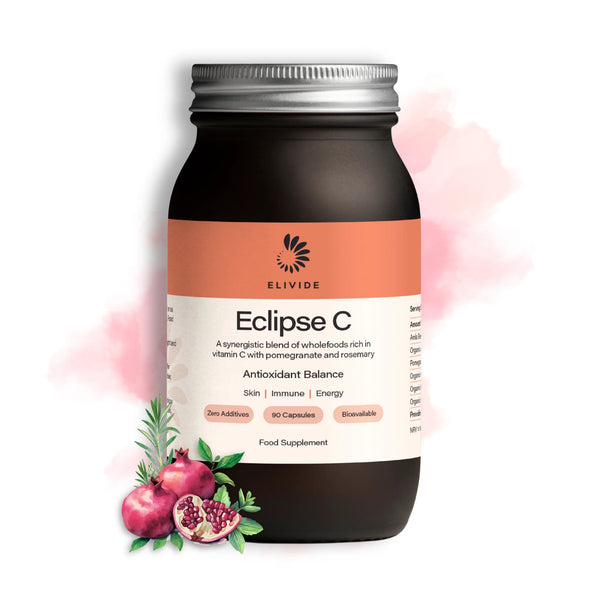
Not sure which is right for you? Take our quiz →
How Trace Minerals Interact with Each Other
Trace minerals aren't solo performers. They compete for absorption, share enzymatic duties, and influence each other's metabolism in ways that matter. If you're going to supplement, understanding these interactions is non-negotiable.
Zinc and copper compete for absorption through metallothionein in the gut. Push zinc too high and it will actively deplete your copper stores over time. This is one of the most clinically significant mineral interactions out there, and we cover it thoroughly in our copper and zinc article.
Iron and copper are deeply interdependent. Copper is needed for ceruloplasmin, the enzyme that mobilises iron into circulation. Without enough copper, iron piles up in storage but can't reach the tissues that need it. Supplementing iron without fixing copper status can actually make things worse.
Selenium and iodine are a team when it comes to thyroid function. Selenium powers the deiodinase enzymes that convert T4 to the active T3 hormone, while iodine is required to produce T4 in the first place. Correct one without the other and you risk throwing thyroid function off balance.
Magnesium and potassium are synergistic, with magnesium deficiency causing a stubborn form of potassium depletion that doesn't respond to potassium alone. We dig into this relationship in our article on whether magnesium depletes sodium or potassium.
All of this interconnectedness is precisely why taking single mineral supplements without thinking about the bigger picture can sometimes create fresh problems instead of solving existing ones.
Practical Strategies for Addressing Trace Mineral Deficiencies
Prioritise Mineral-Dense Whole Foods
Everything starts with diet. Organ meats, shellfish (oysters especially), nuts, seeds, dark leafy greens, and fermented foods give you the broadest range of trace minerals in naturally balanced proportions. No supplement can fully replicate that.
Reduce Ultra-Processed Food Intake
Swapping ultra-processed foods for whole-food alternatives is one of the single most impactful things you can do for your mineral status. Even small changes make a difference: sourdough whole grain instead of white sliced, a handful of nuts and seeds instead of sugary cereal. These shifts genuinely add up.
Consider Food Preparation Methods
Soaking, sprouting, and fermenting grains and legumes breaks down phytates and frees up more minerals for absorption. Traditional food preparation methods that most of us have forgotten about were, in part, developed precisely to get the most nutrition out of these staples.
Supplement Strategically
When diet alone isn't cutting it, targeted supplementation can fill the gaps. The trick is choosing bioavailable forms and being mindful of how minerals interact. A broad-spectrum trace mineral supplement can tackle multiple shortfalls at once without creating the imbalances that sometimes come from single-mineral supplementation.
Our Skin Mineral formula provides key trace minerals including zinc and copper in balanced, bioavailable forms, supporting mineral status alongside skin and connective tissue health.
Test and Monitor
If you suspect trace mineral deficiencies, getting a practitioner to test serum levels of zinc, copper, selenium, and iodine gives you a clear starting point for targeted action. Retesting after three to six months of changes confirms whether your levels are heading in the right direction, and flags anything that needs adjusting.
Summary
Trace mineral deficiencies are quietly widespread in the UK, and they don't get nearly enough attention. Government survey data confirms that selenium, zinc, iodine, copper, and iron intakes fall short for a significant portion of the population, with women of reproductive age and young adults facing the greatest risk.
The reasons are systemic. Depleted soils, food processing, water treatment, and shifts in how we eat have all chipped away at our trace mineral intake over recent decades. And because these deficiencies so often sit at a subclinical level, they can erode your health without producing obvious symptoms or showing up on standard blood tests.
Turning things around takes a multi-pronged approach: building meals around mineral-dense whole foods, cutting back on ultra-processed options, using preparation methods that improve absorption, and supplementing strategically where your diet falls short. And understanding how trace minerals interact with each other ensures you're building balance, not accidentally creating new gaps.


